

Sex is a natural and important part of human life. Beyond pleasure and intimacy, regular consensual sexual activity offers numerous physical, emotional, and psychological benefits. Scientific research has shown that a healthy sex life can contribute to better overall well-being, stronger relationships, improved mood, and even enhanced physical health.

It is important to understand that these benefits come from safe, consensual, and mutually respectful sexual relationships. Every individual has different needs and preferences, and there is no “right” frequency for sexual activity. The key is maintaining healthy communication, consent, and emotional connection.
In this article, we’ll explore the many advantages of sex and how it can positively impact your health and quality of life.
1. Improves Heart Health
Sex is a form of physical activity that increases heart rate and promotes healthy blood circulation. Like moderate exercise, it helps strengthen the cardiovascular system.
Regular sexual activity may:
- Improve blood flow
- Support healthy blood pressure
- Burn calories
- Enhance overall cardiovascular fitness
While sex should not replace regular exercise, it can be part of an active and healthy lifestyle.
2. Reduces Stress and Anxiety
One of the most recognized benefits of sex is stress reduction. During sexual activity and orgasm, the body releases hormones such as:
- Endorphins
- Oxytocin
- Dopamine
These chemicals help create feelings of happiness, relaxation, and emotional comfort.
Many people report feeling calmer and more relaxed after sex because these hormones naturally lower stress levels and improve emotional balance.
3. Strengthens Emotional Bonds

Sex plays an important role in building intimacy between partners.
Physical affection and sexual intimacy increase oxytocin, often called the “love hormone.” This hormone helps strengthen emotional connections by promoting:
- Trust
- Affection
- Emotional security
- Relationship satisfaction
Couples who maintain healthy communication and intimacy often report stronger emotional relationships.
4. Boosts Mood
Sex can naturally improve mood by stimulating the release of feel-good neurotransmitters.
Benefits include:
- Increased happiness
- Reduced irritability
- Greater emotional stability
- Improved confidence
For many individuals, intimacy helps reduce feelings of loneliness and promotes emotional well-being.
5. Promotes Better Sleep
After orgasm, the body experiences a natural relaxation response.
Hormones released after sex, including oxytocin and prolactin, can encourage deeper, more restful sleep.
Better sleep contributes to:
- Improved concentration
- Better immune function
- Enhanced memory
- Increased daily energy
6. Supports a Healthy Immune System
Research suggests that individuals with regular, healthy sexual activity may experience stronger immune responses.
Healthy intimacy may support the body’s ability to fight common illnesses by encouraging the production of certain immune cells.
However, maintaining a balanced diet, regular exercise, and adequate sleep remain the primary foundations of a strong immune system.
7. Burns Calories
Although not a replacement for structured exercise, sex is a physical activity that can burn calories.
Depending on intensity and duration, sexual activity may involve:
- Muscle engagement
- Increased heart rate
- Improved flexibility
- Better stamina
Combined with an active lifestyle, it contributes to overall physical fitness.
8. Relieves Pain Naturally
The body’s natural painkillers, known as endorphins, are released during sexual activity.
Some individuals report relief from:
- Headaches
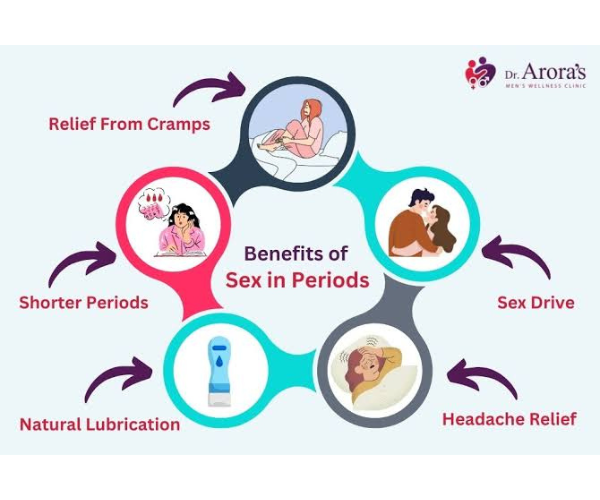
- Menstrual cramps
- Muscle tension
- Joint discomfort
While sex should never replace medical treatment, it may provide temporary natural pain relief for some people.
9. Improves Self-Esteem
Healthy sexual relationships often contribute to improved self-confidence.
Feeling desired, appreciated, and emotionally connected can positively influence body image and self-worth.
Healthy intimacy encourages:
- Positive self-image
- Emotional confidence
- Greater relationship satisfaction
10. Supports Reproductive Health
For adults trying to conceive, regular sexual activity naturally increases opportunities for pregnancy.
In men, ejaculation may support normal reproductive function by regularly releasing sperm.
For women, sexual activity may help improve blood circulation to reproductive organs and promote vaginal health.
11. Enhances Pelvic Floor Strength
During orgasm, pelvic floor muscles contract rhythmically.
These contractions may help strengthen pelvic muscles, which support:
- Bladder control
- Sexual function
- Core stability
Women can further improve pelvic health through pelvic floor exercises such as Kegels.
12. May Help Maintain Hormonal Balance
Sex influences several hormones involved in physical and emotional well-being.
Healthy sexual activity affects hormones including:
- Testosterone
- Estrogen
- Oxytocin
- Dopamine
- Endorphins
Balanced hormone function contributes to mood, energy, libido, and overall wellness.
13. Encourages Healthy Communication
Healthy intimacy requires open communication.
Partners who discuss:
- Preferences
- Boundaries
- Comfort levels
- Expectations
often develop stronger communication skills that benefit every aspect of their relationship.
Mutual respect and consent are essential components of satisfying sexual relationships.
14. May Support Healthy Aging
Research suggests that maintaining intimacy throughout adulthood may contribute to a better quality of life as people age.
Potential benefits include:
- Improved emotional health
- Better mobility
- Stronger relationships
- Greater life satisfaction
Healthy sexuality remains an important aspect of well-being for many older adults.
15. Increases Overall Happiness
Physical intimacy combines emotional connection, physical pleasure, stress reduction, and hormone release.
Together, these factors often lead to greater overall life satisfaction.
People in healthy, respectful relationships frequently describe intimacy as an important contributor to their emotional wellness.
Tips for a Healthy Sex Life
To enjoy the benefits of sex while protecting your health, consider these best practices:
- Always ensure clear, enthusiastic consent.
- Communicate openly with your partner.
- Practice safer sex by using protection when appropriate.
- Get regular sexual health screenings if you have new or multiple partners.
- Respect boundaries and personal comfort levels.
- Prioritize emotional well-being alongside physical intimacy.
- Seek professional medical advice if you experience persistent sexual health concerns.
Common Myths About Sex
Myth 1: More Sex Always Means Better Health
Not necessarily. The quality of intimacy and mutual satisfaction matter far more than frequency.
Myth 2: Sex Is Only About Physical Pleasure
Sex also provides emotional, psychological, and relationship benefits that extend beyond physical enjoyment.
Myth 3: Everyone Needs the Same Amount of Sex
Every individual and every relationship is different. There is no universal “normal” frequency.
Myth 4: Good Relationships Depend Only on Sex
While intimacy can strengthen relationships, trust, communication, respect, and shared values are equally important.
When to Seek Professional Help
If sexual activity causes persistent pain, emotional distress, difficulty with arousal, or concerns about sexual health, consult a qualified healthcare professional. Open discussions with medical providers can help identify underlying causes and appropriate treatments.
Frequently Asked Questions
Is sex good for mental health?
For many people, consensual sexual activity can improve mood, reduce stress, and strengthen emotional connections. Individual experiences vary, and mental well-being also depends on many other factors.
Can sex improve sleep?
Yes. Many people feel relaxed after orgasm due to hormone changes that may support better sleep.
Does sex count as exercise?
Sex involves physical movement and can burn calories, but it should complement—not replace—regular exercise.
Is there an ideal frequency for sex?
No. Healthy sexual frequency differs from person to person and couple to couple. Satisfaction, consent, communication, and mutual comfort are more important than any specific number.
Conclusion
Sex offers many potential health benefits, including improved cardiovascular function, stress reduction, better sleep, enhanced emotional intimacy, and increased overall well-being. These benefits are most likely to occur within relationships built on consent, communication, trust, and mutual respect.
A healthy sex life is only one aspect of overall wellness. Good nutrition, regular exercise, adequate sleep, stress management, and preventive healthcare all play equally important roles in maintaining physical and mental health. By approaching intimacy with respect, openness, and care, individuals and couples can enjoy its many positive effects while supporting long-term health and happiness.